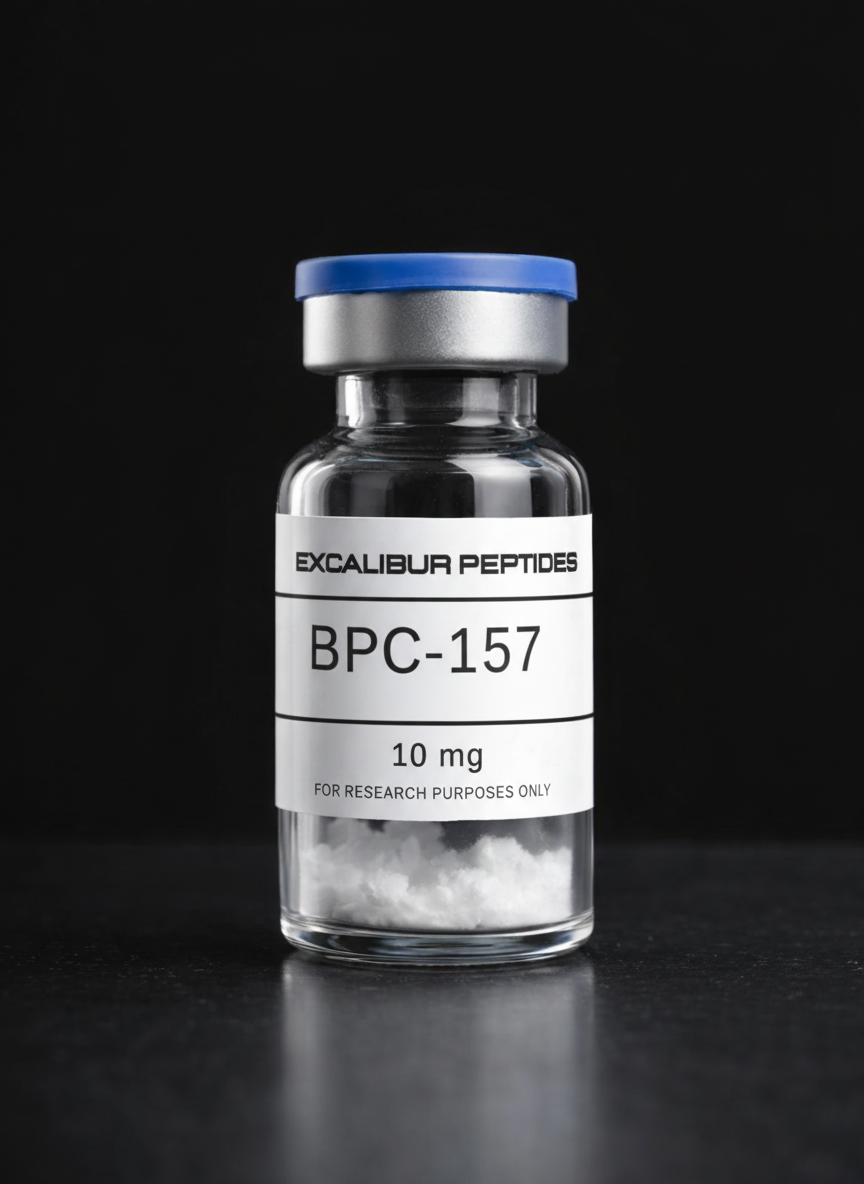
📦 Freshly produced & cold-stored at -10°F | Secure, tracked shipping in 2–4 business days.
Body Protection Compound-157, a pentadecapeptide composed of 15 amino acids studied for its interactions with the FAK-paxillin and VEGFR2-Akt-eNOS signaling pathways.
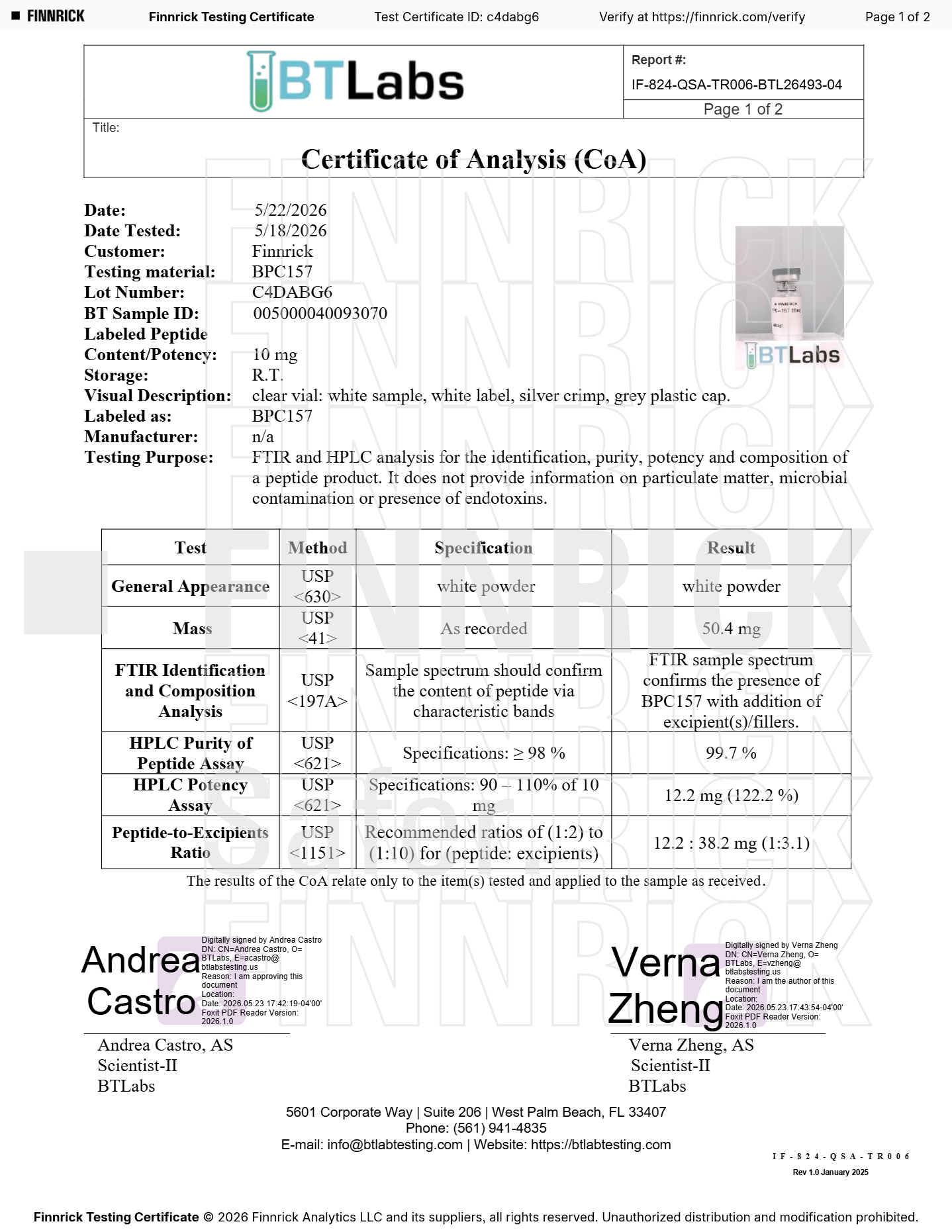
>99% pure, third-party tested with independent COA. Fast domestic USA shipping — discreet packaging, no customs delays. For in-vitro laboratory research use only.
$53.50 Original price was: $53.50.$49.99Current price is: $49.99.
99% Purity Guaranteed
Research Use Only
Secure Checkout
BPC-157 is a pentadecapeptide composed of 15 amino acids derived from human gastric juice. It interacts with the FAK-paxillin pathway and activates the VEGFR2-Akt-eNOS signaling cascade. It modulates nitric oxide synthesis and has been studied for angiogenic pathway interactions in preclinical models.
Dive deeper into the latest BPC-157 research, mechanisms, and what the science says in our comprehensive 2026 guide.
Read: BPC-157 Research, Benefits & What the Science Says (2026)
BPC-157 (Body Protection Compound-157) is a synthetic pentadecapeptide derived from a portion of body protection compound found in gastric juice. Composed of 15 amino acids, BPC-157 has been the subject of extensive preclinical research since the early 1990s, with studies examining its role in tissue repair, angiogenesis, and cytoprotective mechanisms throughout the body.
Research has focused primarily on BPC-157’s interaction with the nitric oxide system and its apparent ability to modulate growth factor expression, particularly vascular endothelial growth factor (VEGF). Preclinical models suggest the compound may accelerate the healing of tendons, ligaments, muscle, and the gastrointestinal tract by promoting cellular migration and collagen synthesis.
A notable area of BPC-157 research involves the gut-brain axis. Studies in rodent models have investigated its influence on serotonin and dopamine neurotransmission, with some research exploring potential neuroprotective effects. All findings to date originate from in vitro and animal models; human clinical trials remain limited.

Reference summary of parameters reported in published preclinical literature. For research purposes only. Not a protocol, not for human consumption.
| Model | Route | Dose Range | Duration |
|---|---|---|---|
| Rodent tendon repair | Intraperitoneal (IP) | 10–200 µg/kg/day | 14–21 days |
| Rodent GI ulcer | Oral / IP | 10–100 µg/kg/day | 7–14 days |
| Rodent muscle injury | IM / IP | 10 µg/kg/day | 7 days |
| Rodent CNS models | IP | 10 µg/kg | Single or repeated dose |
Preclinical safety data on BPC-157 indicates a favorable tolerability profile across multiple animal models. Studies conducted in rodents at doses ranging from 10 µg/kg up to 10 mg/kg have not identified significant acute toxicity. No carcinogenic, teratogenic, or organ-toxic effects were observed in available rodent studies. The compound is reported to be non-immunogenic in tested models.
Long-term safety data are limited, and no regulatory authority has approved BPC-157 as a therapeutic agent. Researchers should consult all applicable institutional guidelines when working with this compound.
Reviews
There are no reviews yet.